
News
Search All News
Tuesday, April 14, 2026
Office Hours
Monday - Friday 9am - 5pmClosed Sat. and Sun.
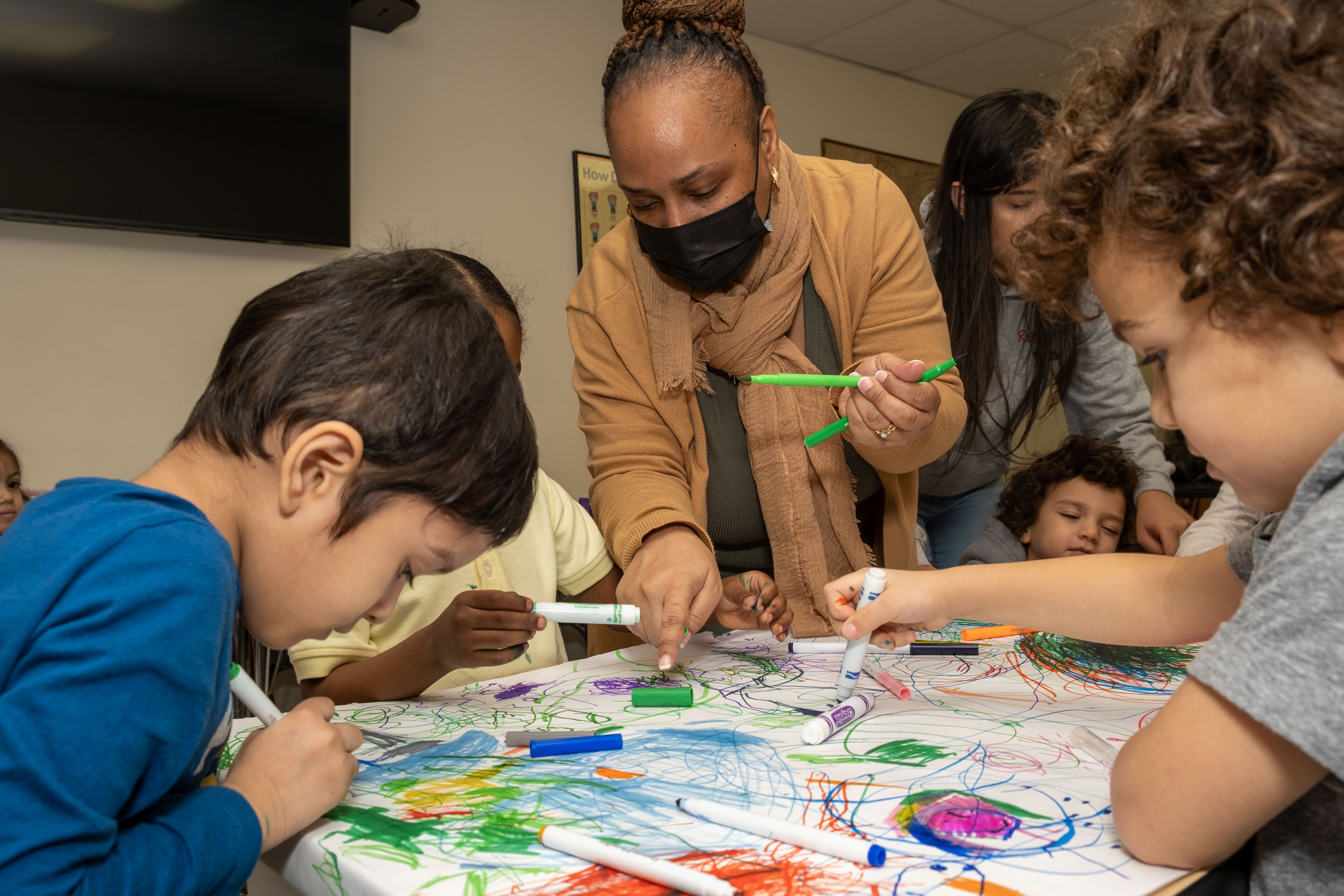
Faculty Spotlight: Alice Michelle Augustine, Director of CHASE
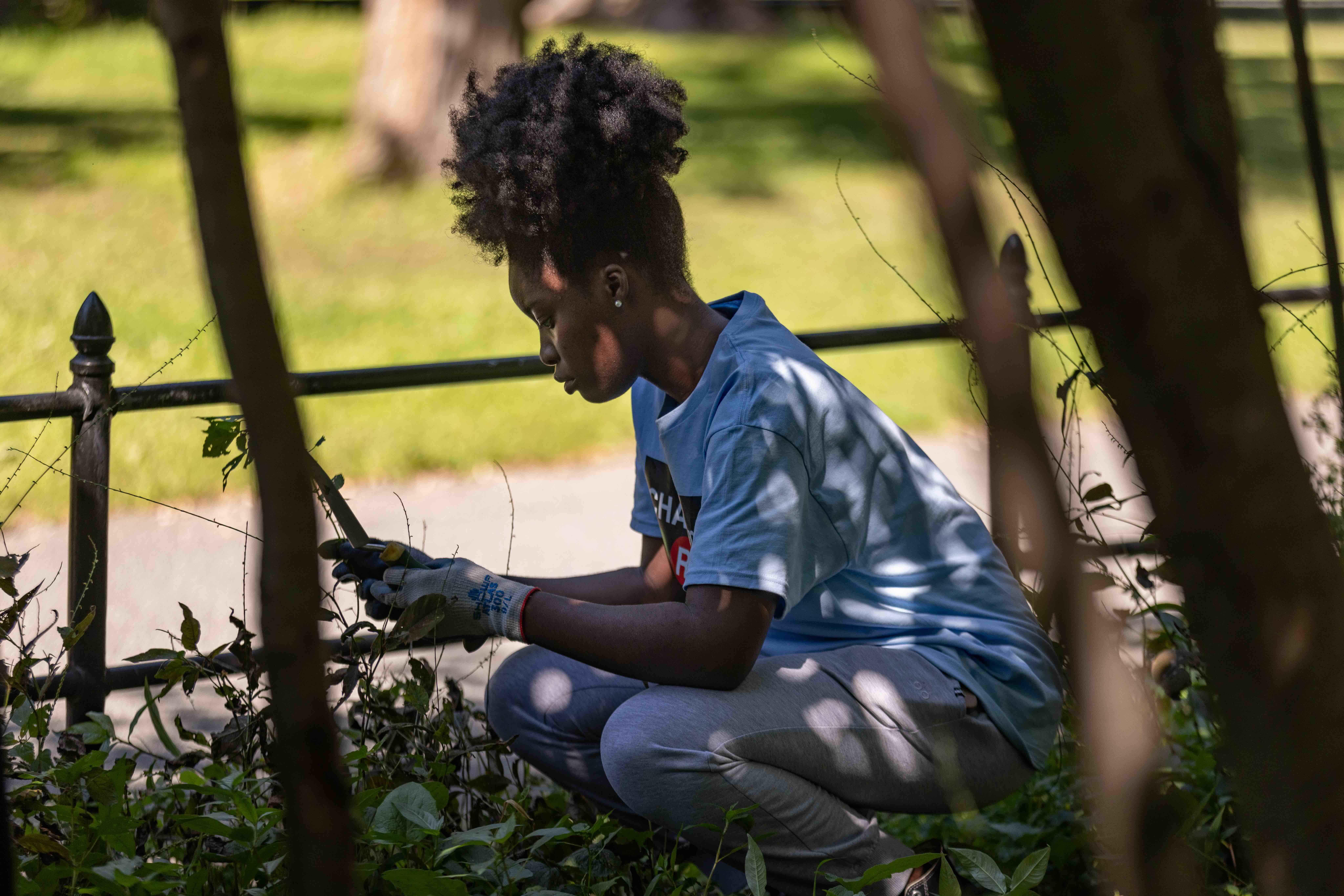
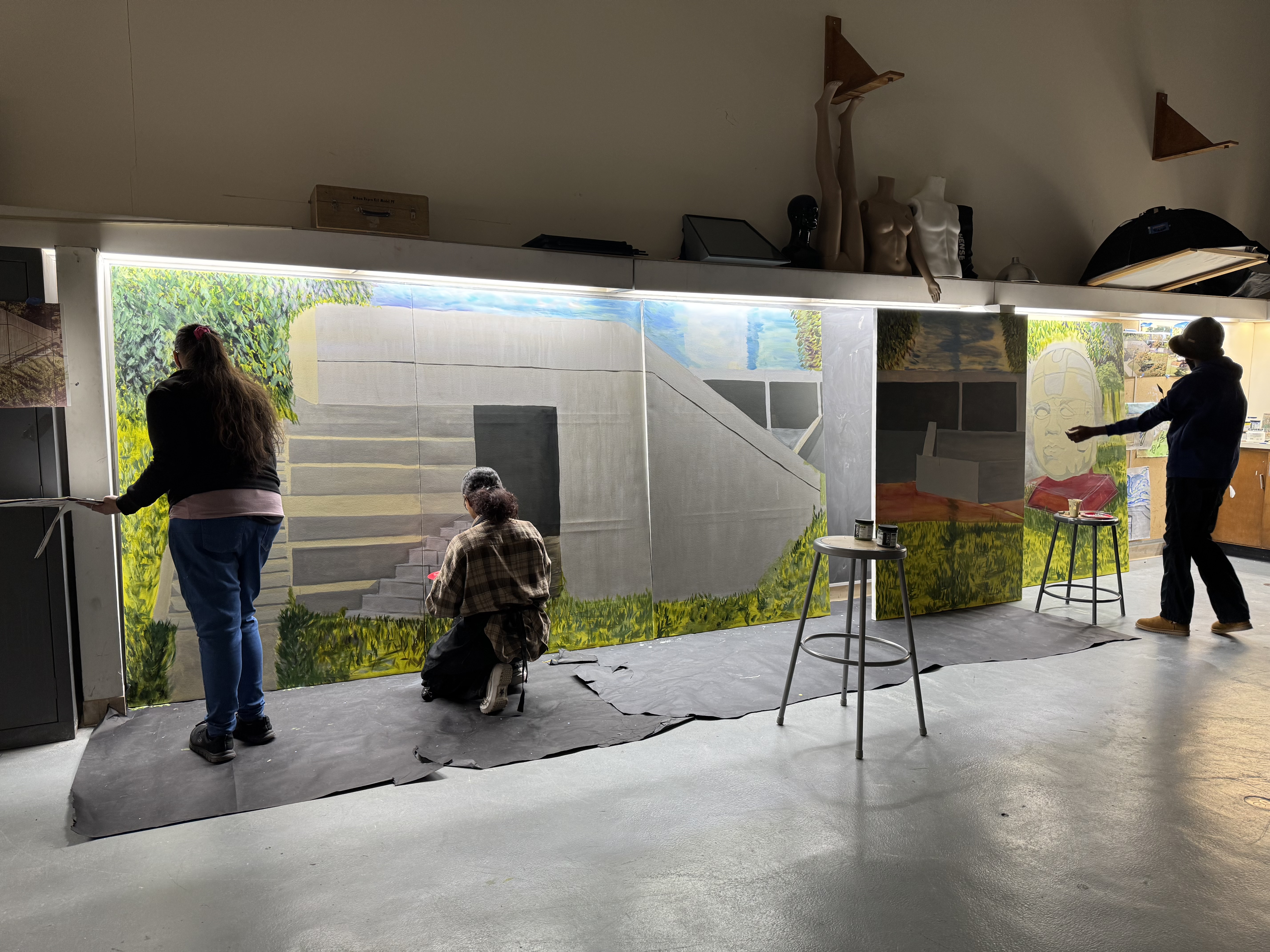
A student pauses while working in the burial ground.
March 12, 2026
Alice Michelle Augustine ’06, founding director of Campus Honors and Scholar Engagement (CHASE), returned to Lehman after law school committed to expanding students’ access to internships, fellowships, and scholarships to support their academic and personal growth. That work began with the Office of Prestigious Awards and later grew into CHASE. In this Q&A, she discusses how her role on campus intersects with her work at Van Cortlandt Park’s Enslaved African Burial Ground. By combining stewardship, student learning opportunities, and public engagement, Augustine and her collaborators are helping to restore awareness of the space and deepen understanding of the histories it holds. (The interview has been edited for length.)
When did you learn about the burial ground, and how did you become involved with it?
In 2020 during the pandemic, the Van Cortlandt Park Alliance shared information about the site, though I had been searching for it long before that. Ariane Vani Kannan [associate professor of English] and I often walked through the park, studying the Van Cortlandt family burial vault and wondering where the Africans enslaved on the plantation might have been buried. Once I learned the site existed, I discussed it with students in the honors program and encouraged them to think critically about the space.
Three of them—Kilhah St. Fort, Simira Smith, and Aminata Geuye—responded by founding Students Uplifting Ancestral Spaces, a group focused on stewardship and reclaiming memory.
I was also deeply troubled by the site’s condition. It did not reflect the dignity or historical significance of the people buried there. When I shared those concerns with the Van Cortlandt Park Alliance, the park’s director connected me with the volunteer director, and we began working together as stewards of the burial ground.
How would you describe its importance to the Bronx and New York City?
Places like the Enslaved African Burial Ground hold the memory of the land and the people who shaped it. This area is unceded Lenape territory, and acknowledging its full history also honors the Indigenous people who cared for it long before New York became a colony or a global city. These sites are records of people whose skills, creativity, and labor built New York, yet whose contributions were deliberately erased.
It is also essential to recognize that the wealth generated here was built through dispossession and the stolen labor of enslaved Africans. For many Africans in colonial New York, even grieving was criminalized; laws restricted enslaved people from gathering, mourning, or honoring their dead. Bringing these spaces back into public awareness is part of restoring dignity, correcting the historical record, and continuing a collective process of healing.
How have students responded to the site?
Some students are surprised to learn that slavery existed in the Bronx. Some do not know how to process the space. For others, the ancestral presence and the environmental impact of our restoration work keep them coming back.
Spaces like the burial ground are places of learning, healing, and transformation. Many of our students have never been taught the full history of the land they live on—Lenape territory, reshaped through the forced labor of enslaved Africans. Working at the site allows them to confront that history directly, rather than through textbooks that often erase or minimize these truths. It also gives them a sense of agency: they are actively caring for a space that honors ancestors who were denied the right to grieve, gather, or be remembered.
How has this work grown beyond stewardship and cleanup?
Beyond the physical care of the site, Dr. Kannan and I launched the Bronx Hidden Histories project. It provides summer opportunities for students who are curious about research but cannot afford unpaid opportunities. They build research skills, contribute to public understanding of the burial ground, and experience a model of ethical community engagement. The project also informs the first-year Honors College curriculum that I teach. Over the past few years, our student research team has uncovered the names of more than 90 people who were enslaved in the colonial Bronx.
On March 5, we shared our recent work at the annual Night of Bronx History and debuted a new website that will house maps and materials developed through the Hidden Histories project.
What do you envision next for the site, and your efforts to share its story?
Four of my students and I are now on the Van Cortlandt Park Legacy Council, helping guide plans for the future of the space with support from a Mellon Foundation grant.
We have been partnering with artist Tijay Mohammed to create portraits of the people we uncover through research, and we began indexing our findings with the Northeast Slavery Records Index so they can be preserved and used by future scholars.
We’re also expanding the Hidden Histories curriculum with a new First Nations module. Including the suppressed histories of the Lenape and other Indigenous people in our research will help tell a fuller story of the people who lived and worked in what became the Bronx.
Learn more about the Enslaved African Burial Ground and Augustine’s work with the site in these Norwood News, Amsterdam News, and News 12 pieces.
Read about the burial ground’s consecration on Juneteenth in the summer of 2021.
Another Lehman College-based entity, the NYC Writing Project, has provided Bronx high school students an opportunity to learn about the site and present their research.