




News
Search All News
Wednesday, October 21, 2026
Office Hours
Monday - Friday 9am - 5pmClosed Sat. and Sun.

New Plant Sciences Research Finds Medicinal Compounds Have Staying Power
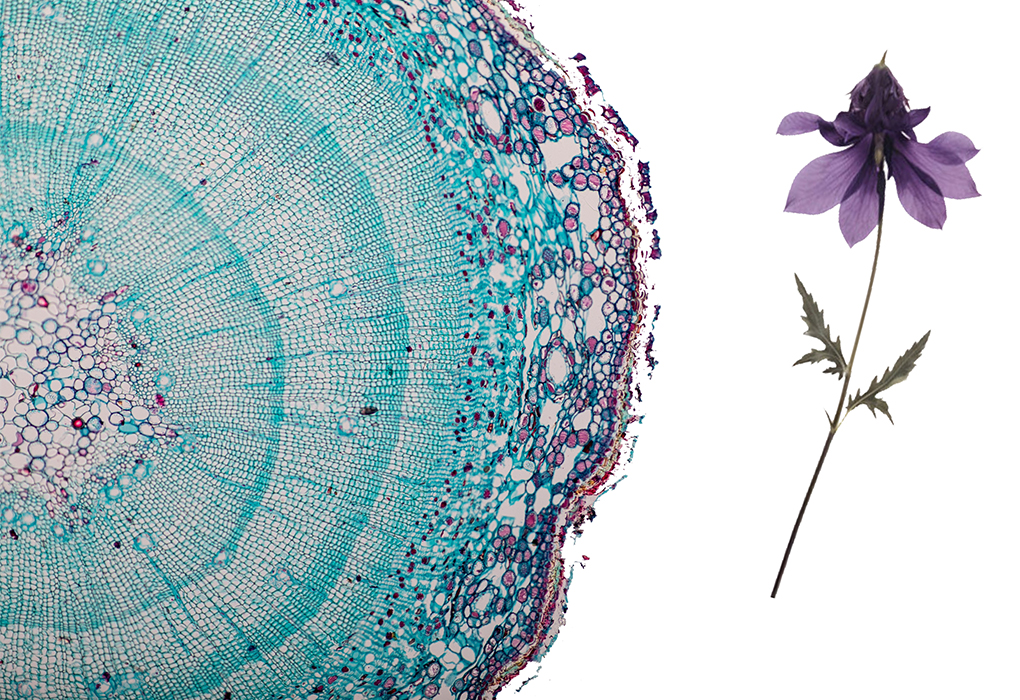
Left, a microscopic view of a plant stem cross-section; right, a pressed specimen of monkshood
August 12, 2026
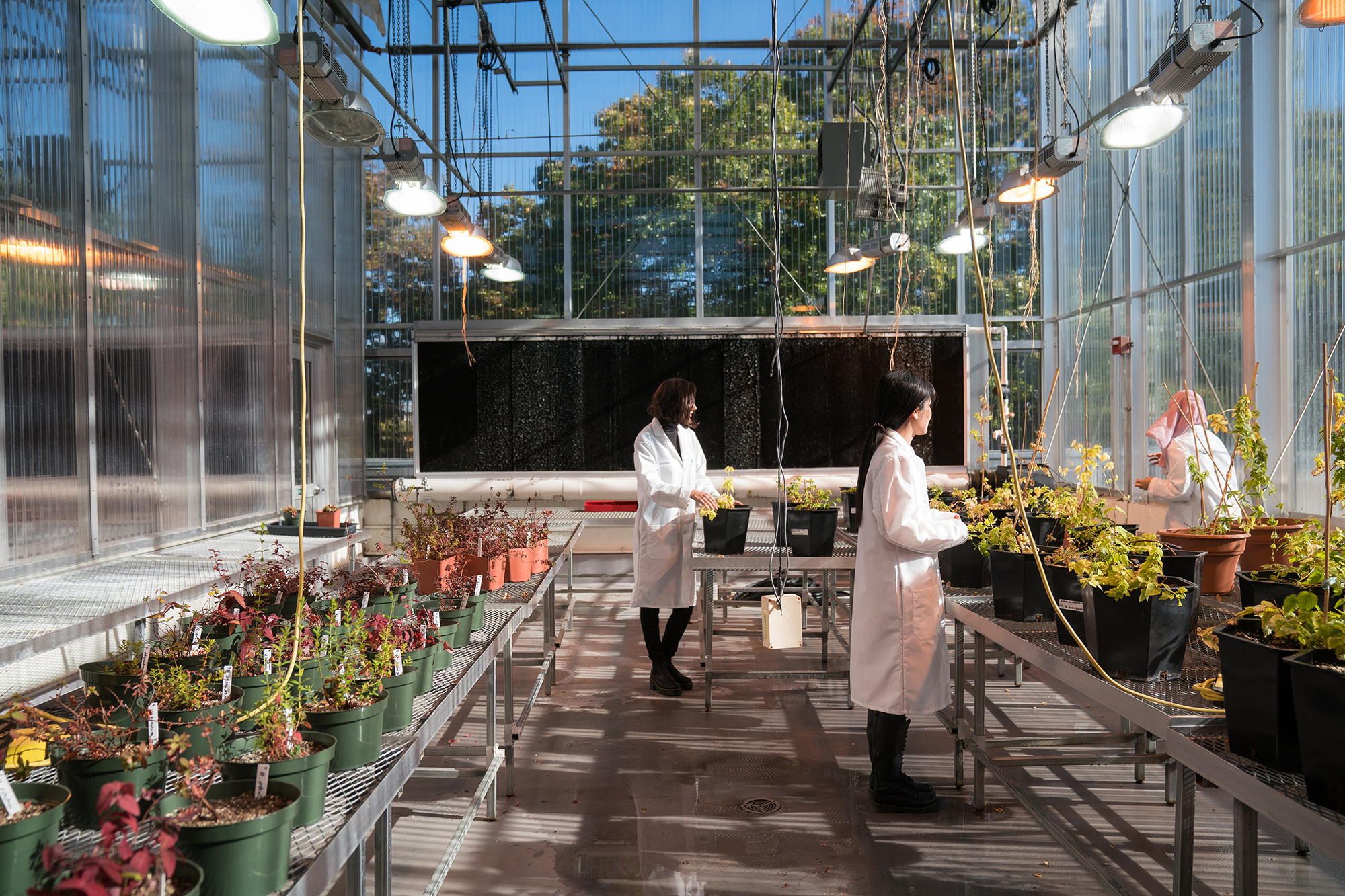
In an effort that highlights connections among plant chemistry, history, folk tradition, and modern scientific inquiry, a group of researchers led by Professor of Biological Sciences Ed Kennelly has successfully analyzed therapeutic compounds in 100-year-old specimens of medicinal plants housed in a collection at the New York Botanical Garden’s Steere Herbarium.
Herbaria are repositories of not only the taxonomic and genetic diversity of plants, but also their chemical diversity. “Medicinal plants have been used for thousands of years by different cultures, but it is rare for us to have access to a botanical product from more than 100 years ago to assess its chemical composition, and compare it to modern samples,” said Kennelly.
His team, which included CUNY Graduate Center researchers Ella Vardeman and Jiyan Ni, as well as Matthew Pace of the New York Botanical Garden, used the latest advances in analytical chemistry to examine key medicinal compounds in the plants and gauge their stability over time. Their findings were published in ACS Omega.
Their research focused on several specimens from the highly toxic Aconitum genus, including a common wildflower known as monkshood, which have been used in traditional remedies worldwide.
“Incredibly, despite being maintained at room temperature, many well-known medicinal compounds were easily detected in these old samples,” Kennelly said.
“Although many drugs have brief shelf lives, drugs found in plants may have some enhanced stability due to the complex composition of the plant material,” he added.
Eventually, the findings could lead to the improvement of products developed from plant compounds, including pharmaceuticals and herbal health supplements.
Read the article here.