
News
Search All News
Tuesday, October 27, 2026
Office Hours
Monday - Friday 9am - 5pmClosed Sat. and Sun.
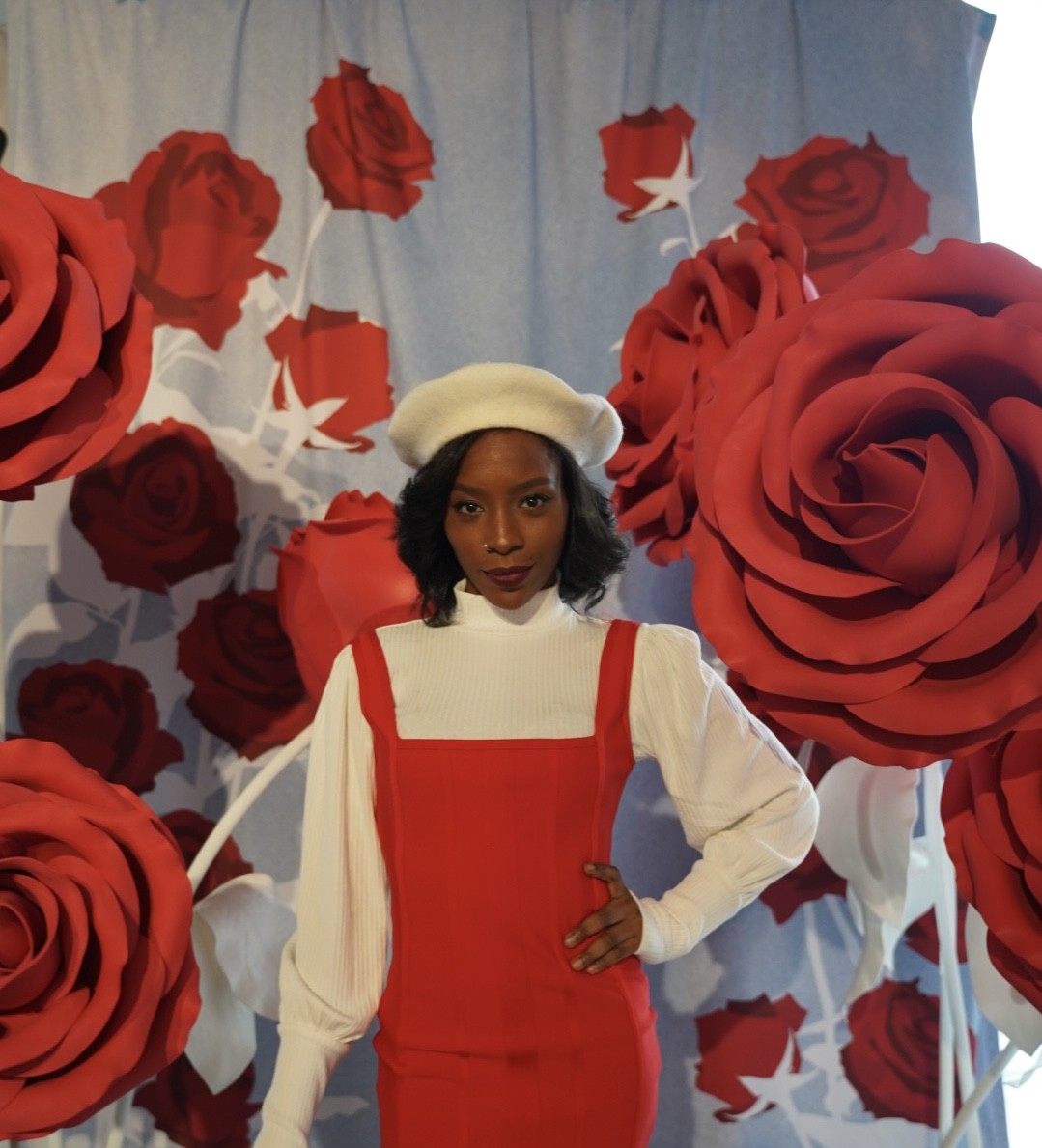
Alumna Porshe Maysonet Almost Became a Statistic in Her Own Research
October 27, 2026
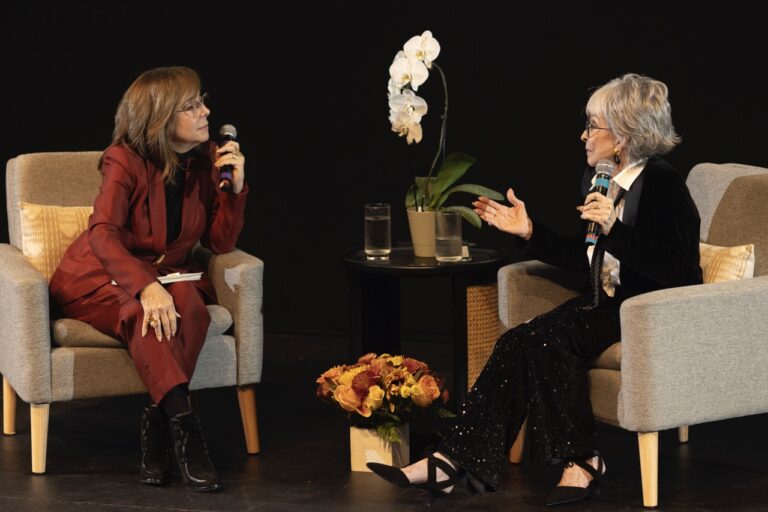
After a successful career as a professional dancer and celebrity stylist, Lehman alumna Porshe Maysonet ’21 returned to college through the Adult Degree Program, planning to pursue a teaching career. That path swerved abruptly when she took an introductory course in African and African American Studies and recognized she’d found her true calling. Maysonet’s honors thesis on Black maternal mortality took on a deeply personal significance during the traumatic birth of her daughter. The experience reinforced her commitment to studying maternal health inequities and motivated her decision to pursue graduate education, which has allowed her to investigate these issues—and her own experience—in ways she previously could not.
Now completing her capstone project for the CUNY Graduate Center’s Black, Race, and Ethnic Studies (BRES) master’s program, Maysonet has continued to draw on her personal experience while investigating the prevalence of racism and disparities in maternal health care. Her goal is to turn her findings into meaningful policy changes that improve care for Black and brown women and children. This is her Lehman story. (The Q&A has been edited for length and clarity.)
How did your own experience with childbirth shape your academic goals?
I found out that I was pregnant in my senior year and decided to write my honors thesis on Black maternal mortality. I ended up intertwining my lived experience being pregnant into the research, which included the experiences of people around me and the famous cases where Black women didn’t survive. But two weeks after I finished my thesis, I gave birth to my daughter and we both almost died—I became an example of my research.
As soon as I tell women what my focus is, they're like, “I would love to share my experience.” So, if you haven't been through it, you probably know somebody who has.
How has your work developed since you began the BRES program, and where are you going with it?
My master’s research is on current initiatives to combat maternal mortality. Are we attacking the crisis in the right way or are we just putting a Band-Aid on the problem? Are these things actually bringing about any change in outcomes? I want to make sure our voices are heard and never dismissed again.
For my capstone, I’m creating an autobiographical installation and a short documentary about the whole process, including a dramatized version of my experience, along with some of the data I’ve found. I’m not going to lie, it’s hard to do this work, but it's healing.
How do you want to help Black and brown mothers and their newborns receive the care they need?
For the past couple of years, I've been trying to figure out what happened to me. Now I have access to data, resources, and knowledge—the tools to put everything in academic language and get into spaces where I could get this work published.
I’m going to get my Ph.D. so I can learn more, share my expertise, get access to the right people, whatever is required to get on that level so we can make active change. We need a legislative push toward protection of Black women—policies, better postnatal care, a change in the law or a new law. I’m determined to break down the system that is harming us, and I'm not going to stop. I’m like, “Congress, you’d better be ready.”
What advice do you have for current Lehman students?
Your goal is to be a scholar, and to be the best scholar. Everything that any professor is teaching has value, so soak it up like a sponge. It doesn't matter if you like what they say or if you agree with them—there are multiple ways of looking at things and multiple ways of learning. So, learn from everyone, but like I did, follow your instincts and what you gravitate to.
What are three words you would use to describe Lehman?
Valuable, peaceful, and inspiring. “Valuable” because Lehman provides opportunities, community, and resources for students and faculty. “Peaceful” because despite the chaos of managing classes and personal workloads, Lehman has amazing student support and creates a space for scholars to succeed. “Inspiring” because it provides space for students to feel seen and empowered no matter who they are or where they come from.